Understanding the psychology of risk in gambling environments
Understanding the psychology of risk in gambling environments
The Nature of Risk in Gambling
Risk in gambling fundamentally relates to the uncertainty of outcomes and the potential for both loss and gain. This unpredictability creates a unique psychological environment where individuals must navigate their emotions and decision-making processes. Many gamblers are drawn to the thrill associated with taking risks, often viewing it as an integral part of the experience. For beginners wanting to explore this world, learning about the diverse offerings at https://frenzinocasino.uk can provide valuable insights. This desire for excitement can lead to what is known as risk-seeking behavior, where players may disregard the potential consequences for the sake of enjoyment.

In understanding this nature of risk, it’s important to consider the role of cognitive biases. Gamblers often exhibit a tendency towards optimism bias, believing they are more likely to win than the average player. This can lead to overconfidence, making them more willing to engage in high-risk bets. Moreover, the excitement of the game can cloud judgment, resulting in decisions driven more by emotion than by rational thought. This psychological aspect underscores the complexity of gambling behavior and the inherent risks that accompany it.
The psychological allure of risk is also influenced by the concept of variable rewards. Unlike fixed outcomes, the unpredictability of gambling rewards—where players can win big or lose everything—adds an element of suspense that can be incredibly enticing. This variability can activate the brain’s reward system, reinforcing the desire to continue gambling despite potential losses. Thus, the nature of risk in gambling environments is multifaceted, shaped by cognitive biases and emotional responses that create a compelling, albeit dangerous, attraction.
The Emotional Impact of Gambling
The emotional rollercoaster experienced during gambling can significantly influence a player’s risk perception. When individuals engage in gambling, they often oscillate between feelings of hope and despair, particularly after wins and losses. Winning can elicit feelings of elation and exhilaration, reinforcing the notion that risks can yield positive outcomes. Conversely, losses can lead to frustration and regret, which may prompt players to chase their losses, further exacerbating risk-taking behavior.
This emotional impact is not just fleeting; it can have lasting effects on an individual’s psyche. For some, the thrill of winning can lead to an addictive cycle, where the highs become increasingly sought after, and the lows are downplayed or ignored. The desire to recreate the euphoric feelings associated with winning can compel gamblers to take greater risks, often disregarding their original intentions or limits. Understanding this emotional landscape is essential for recognizing why individuals may continue to gamble even in the face of significant losses.
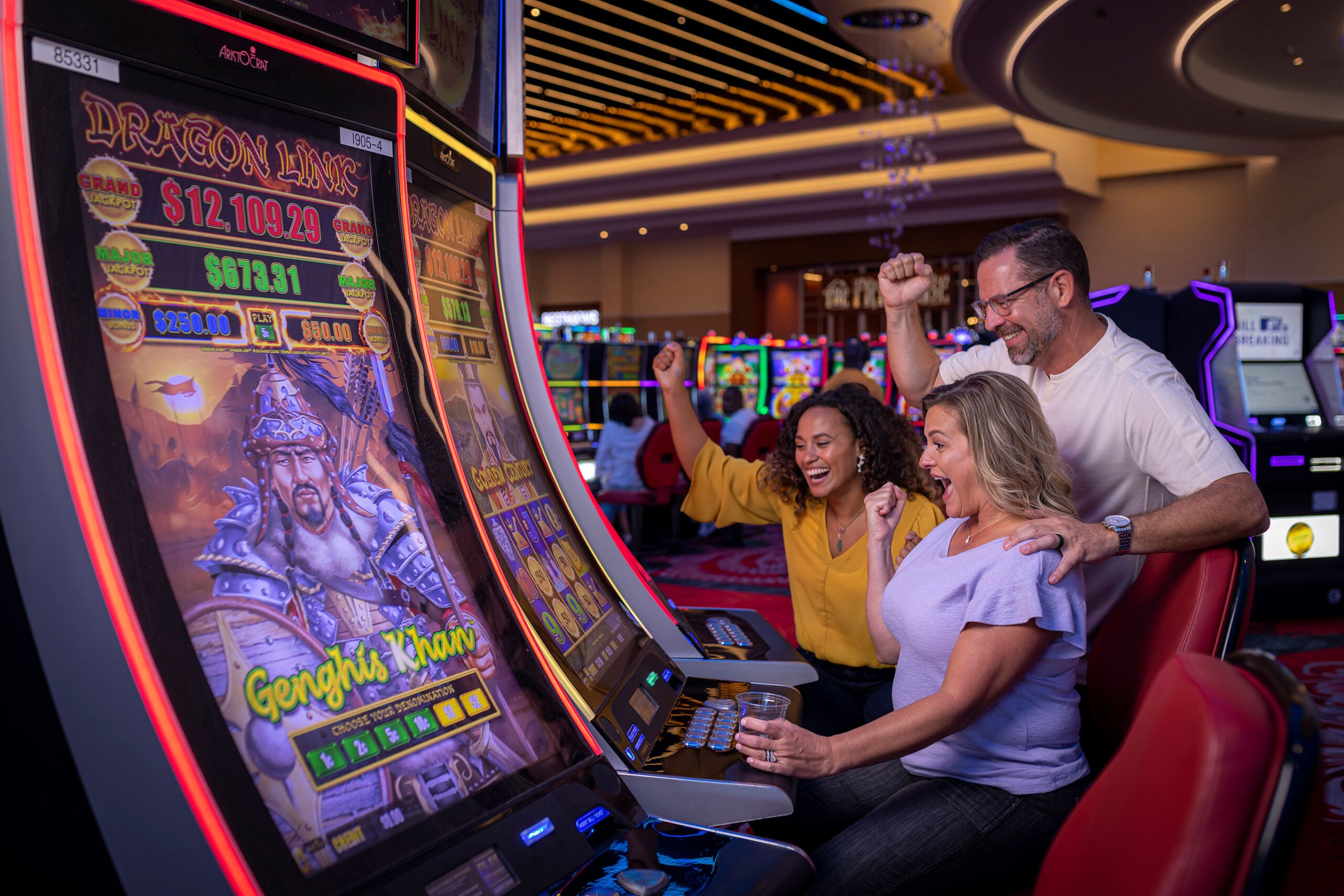
Furthermore, the social context in which gambling occurs can amplify emotional responses. For example, playing in a crowded casino can heighten feelings of excitement and urgency, prompting individuals to take larger risks than they might in a more subdued environment. Social pressure from peers can also encourage riskier behavior, as individuals may feel compelled to match the stakes or bets of others around them. The blend of these emotional and social factors creates a powerful influence on risk-taking behavior in gambling environments.
The Role of Cognitive Dissonance
Cognitive dissonance plays a significant role in how gamblers rationalize their choices, particularly when they face unfavorable outcomes. This psychological phenomenon occurs when individuals hold conflicting beliefs or behaviors, leading them to experience discomfort. For gamblers, the act of losing can create dissonance between their belief in their skills or luck and the reality of their losses. To alleviate this discomfort, individuals may convince themselves that their luck will change or that they were simply unlucky this time.
This rationalization can perpetuate continued gambling, as individuals seek to validate their self-perception as competent players. By downplaying losses or attributing them to external factors, gamblers are often more likely to engage in riskier behaviors in hopes of recovering their perceived status. This cycle of rationalization can be detrimental, leading to increased stakes and an escalating commitment to the gambling activity, regardless of past outcomes.
Additionally, cognitive dissonance can manifest in the denial of addiction. Gamblers may find themselves caught in a web of justifications, convincing themselves that they can control their gambling habits despite evidence to the contrary. This self-deception can further entrench risky behaviors, as individuals feel compelled to continue gambling in hopes of proving their capabilities or disproving their fears of addiction. Thus, cognitive dissonance serves as a potent psychological barrier to recognizing the risks inherent in gambling environments.
Strategies for Managing Risk
Understanding the psychology of risk in gambling environments opens the door for developing strategies to manage these risks effectively. One of the primary strategies involves setting strict limits on time and money before engaging in gambling activities. By establishing boundaries, players can minimize the likelihood of impulsive decisions driven by emotion or cognitive biases. This preemptive approach allows individuals to approach gambling more rationally, reducing the potential for adverse outcomes.
Another effective strategy is to cultivate awareness of emotional triggers. By recognizing the feelings and thoughts that arise during gambling, individuals can better manage their responses. For instance, those who identify feelings of frustration after a loss might choose to step away rather than chase their losses. Techniques such as mindfulness can be beneficial in maintaining emotional regulation and promoting rational decision-making in high-stress gambling situations.
Finally, seeking support from friends, family, or professional resources can be invaluable in managing gambling risks. Engaging with a supportive network helps individuals gain perspective and accountability, reducing the likelihood of becoming entrenched in risky behaviors. Programs designed to help individuals understand their gambling patterns and make healthier choices can also provide tools for managing risk effectively, allowing for a more balanced approach to gambling.
Frenzino Casino: A Safe Gambling Environment
Frenzino Casino recognizes the importance of understanding the psychology of risk in gambling environments and strives to create a safe and engaging platform for players of all levels. By offering a diverse selection of games and a user-friendly interface, Frenzino aims to make the gaming experience enjoyable while maintaining a focus on responsible gambling practices. The casino provides ample resources to help players set limits and manage their gameplay effectively.
Moreover, Frenzino Casino promotes transparency and fairness in its operations, ensuring that players feel confident in their gaming decisions. With ongoing promotions and competitive bonuses, the platform aims to enhance user experience without compromising safety. By prioritizing security and user education, Frenzino Casino fosters a community where players can enjoy gambling responsibly, fully aware of the psychological aspects that influence their behaviors.
In conclusion, understanding the psychology of risk is essential for anyone engaging in gambling activities. Through its commitment to responsible gaming, Frenzino Casino empowers players to enjoy their gambling experiences while minimizing the risks associated with impulsive decisions and emotional responses. With a focus on player well-being, Frenzino stands as a premier online gaming platform that champions safe and enjoyable gambling practices.
Recent Comments